

In today’s rapidly evolving power landscape, the need for efficient, reliable, and sustainable energy systems has never been more critical. One often overlooked yet essential component of these systems is the power transformer radiator. Acting as the cooling backbone of electrical transformers, power transformer radiators play a pivotal role in ensuring safe, continuous, and optimized operation of transformers across utility grids, substations, and industrial facilities.
The Role of Power Transformer Radiators
Power transformers are key devices in energy transmission and distribution networks. As they handle high-voltage electricity, they generate considerable heat. Without effective cooling, this heat buildup can degrade the insulation and reduce the lifespan of the transformer.
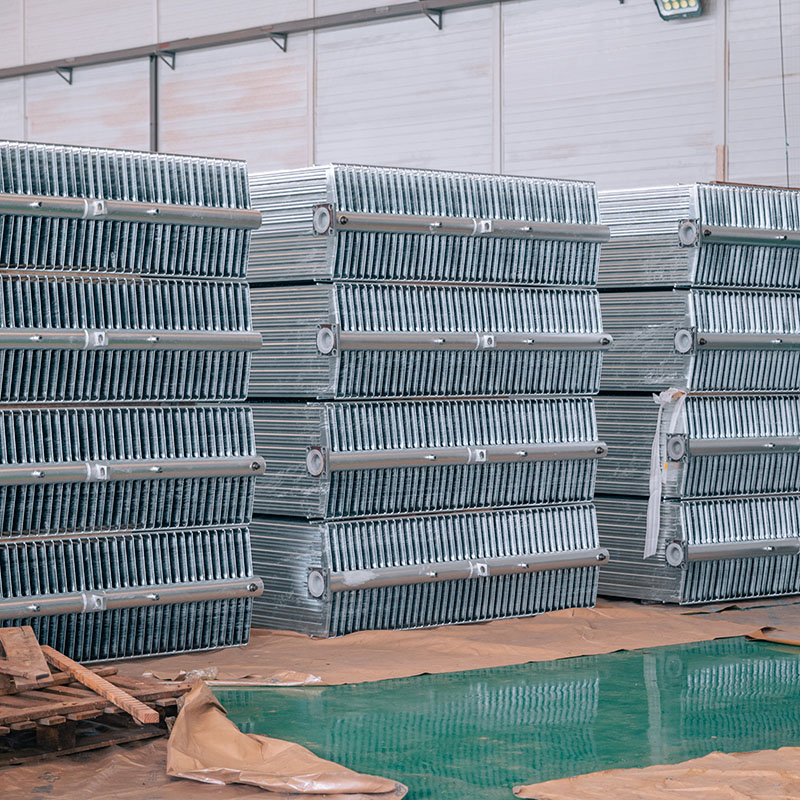
Power transformer radiators are designed to dissipate this heat, maintaining stable temperatures during operation. These radiators are typically installed on the sides of transformers and use air or oil to transfer heat away from the transformer’s core. The result is improved thermal performance, longer service life, and greater operational efficiency.
Industry Trends Driving Transformer Radiator Innovation
As global demand for electricity rises—driven by electrification of transport, smart cities, and renewable energy integration—the role of transformer radiators is becoming even more important. Here are some of the key trends:
1. Increased Focus on Energy Efficiency
Governments and utilities are setting stricter energy efficiency standards. Transformer manufacturers are responding by upgrading radiator designs with better heat transfer materials and aerodynamic fins that improve airflow. This ensures lower energy losses and reduced carbon footprints.
2. Compact and Modular Designs
Space constraints in urban areas and renewable energy farms demand compact solutions. New modular radiator systems allow for easy customization and on-site installation. This flexibility reduces maintenance downtime and simplifies logistics.
3. Integration with Smart Monitoring Systems
Modern transformer radiators now integrate IoT sensors and digital monitoring systems. These devices track temperature, fluid levels, and ambient conditions in real time. Data is transmitted to control centers, allowing predictive maintenance and preventing system failures before they occur.
Material Advancements and Design Improvements
Manufacturers are investing heavily in research to improve radiator materials and construction methods. Traditional radiators were made of mild steel, which is susceptible to corrosion. Today, more durable materials like hot-dip galvanized steel, aluminum, and stainless steel are widely used.
Furthermore, corrugated and pressed steel fin designs are replacing older flat-panel types. These improved geometries offer greater surface area for cooling and allow oil to circulate more efficiently inside the radiator.