

As the world accelerates the shift toward renewable energy, the demand for efficient power distribution and transmission systems has surged. At the heart of these systems lies a critical component often overlooked — the power transformer radiator. These devices play a vital role in managing transformer heat, ensuring stable operations and prolonged equipment life.
Growth Fueled by Renewable Integration
The rise of solar farms, wind turbines, and hydroelectric plants has placed unprecedented demands on national grids. As energy flows become more dynamic and less predictable, transformers are under increased thermal stress. Radiators designed specifically for transformer cooling systems help dissipate excess heat through convection and radiation, maintaining operational efficiency and minimizing the risk of failure.
Technological Advances in Radiator Design
Recent innovations in radiator technology have improved thermal performance while reducing space requirements. Modern high-voltage transformer radiators are often fabricated from high-efficiency steel or aluminum alloys, with fins engineered for optimal airflow. Some designs incorporate intelligent monitoring systems that track temperature variations and automatically adjust oil flow rates.
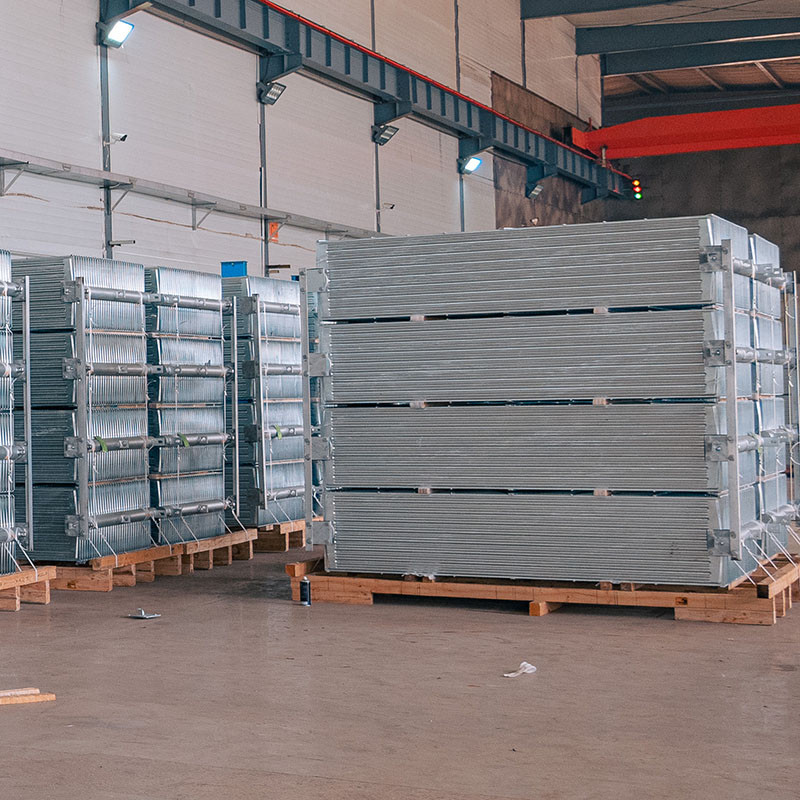
Additionally, eco-friendly radiators using biodegradable coolants and recyclable materials are becoming increasingly popular. These not only enhance safety but also align with global sustainability goals.
The global transformer radiator market is expected to witness a CAGR of over 6% through 2030, according to industry reports. This growth is driven by urbanization, smart grid development, and the electrification of transportation networks.
In an energy-hungry world transitioning to sustainable sources, transformer cooling systems are no longer ancillary — they are central to ensuring system reliability. The evolution of power transformer radiators highlights how even the most inconspicuous components are becoming linchpins in the new energy economy.