

With rising energy loads and the adoption of smart grids, the need for intelligent thermal management has intensified. The traditional power transformer radiator, long valued for its simplicity and durability, is now evolving into a high-tech component integrated with sensors and automation.
The Emergence of Smart Radiator Systems
Modern transformers often operate under fluctuating load conditions, leading to inconsistent heating patterns. To address this, engineers are deploying smart radiator systems equipped with embedded sensors and real-time data analytics. These systems monitor transformer oil temperature, ambient temperature, and coolant flow rate to optimize radiator performance.
Unlike legacy models, today’s oil-immersed cooling systems can now interface with control panels or SCADA systems, offering utilities unprecedented control over transformer conditions.
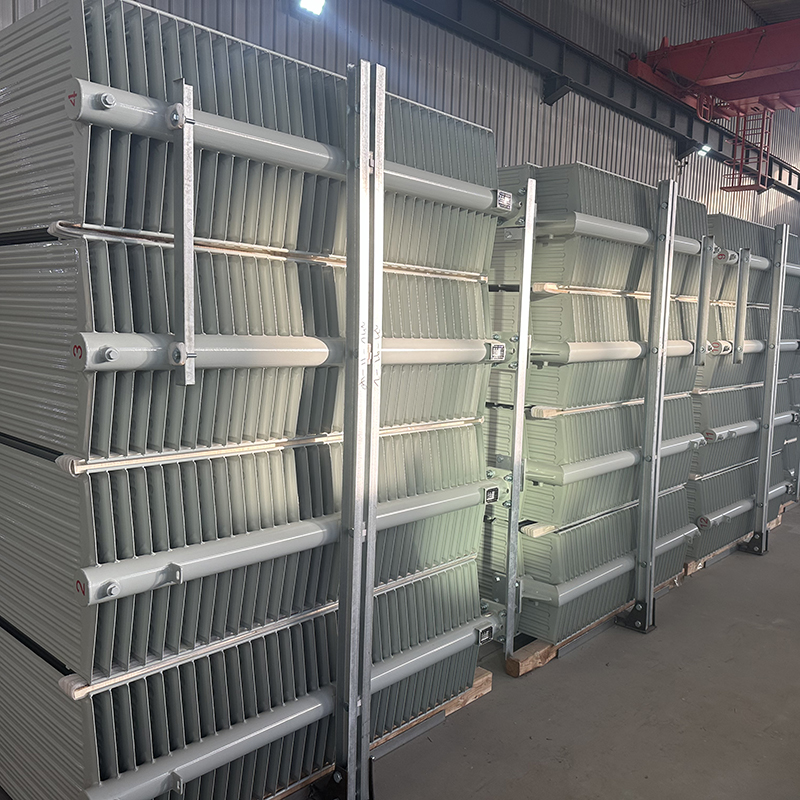
Benefits of Digital Integration
One of the primary advantages of smart radiators is predictive maintenance. By analyzing heat transfer efficiency and thermal behavior, operators can detect early signs of clogging, coolant degradation, or internal leaks. This reduces unscheduled downtime and extends the transformer’s service life.
In critical installations such as data centers, wind farms, and metro substations, these improvements translate to significant cost savings and enhanced operational safety.
As the cost of sensor technology drops, even mid-range transformers in developing regions are being retrofitted with intelligent radiator modules.
The humble power transformer radiator is undergoing a transformation of its own. From passive cooling components to active thermal management systems, smart radiator technologies are setting new benchmarks for efficiency, reliability, and adaptability in modern electrical grids.