

The global manufacturing landscape for power transformer radiators is facing unprecedented challenges in 2025. From raw material shortages to logistics bottlenecks, the supply chain disruptions are testing the resilience of transformer manufacturers and utility providers alike.
Steel Price Volatility Hits Radiator Production
At the core of most transformer radiators is high-quality cold-rolled steel. However, the fluctuating price of steel in international markets has created budget uncertainties. In recent quarters, steel costs have spiked by as much as 30%, directly impacting the cost of transformer components, especially the radiators which account for a significant portion of the unit weight.
To mitigate risks, some radiator manufacturers are exploring alternative materials like aluminum and composite fins, but these come with their own engineering challenges.
Logistics and Cross-Border Trade Hurdles
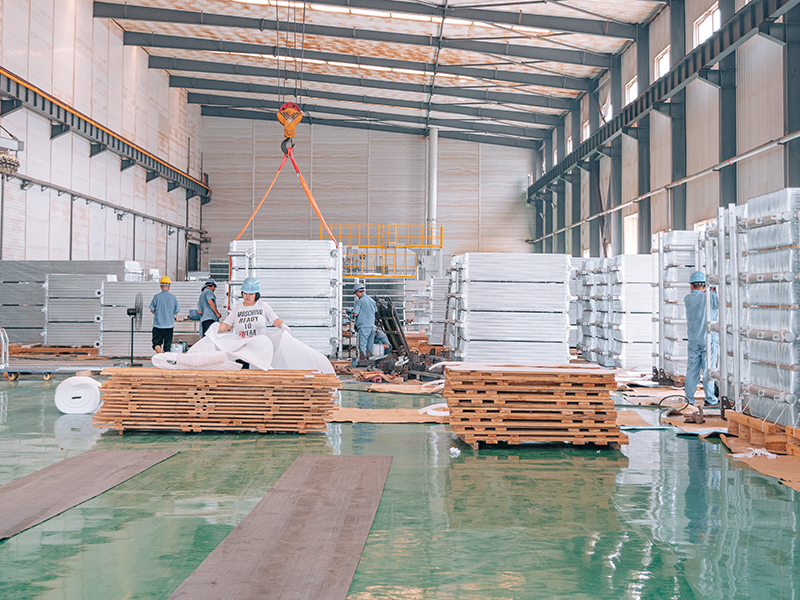
Global shipping disruptions, including port congestion and container shortages, have added to the problem. Even when radiators are ready for dispatch, international transport has become a major pain point. Manufacturers are increasingly turning to regional suppliers and logistics networks to reduce reliance on cross-border freight.
In some cases, clients are stockpiling critical transformer components, including radiators, bushings, and tap changers, to ensure project continuity.
Strategic Responses from Manufacturers
Leading radiator suppliers are adjusting their supply chains by:
Localizing production facilities
Securing long-term contracts with steel mills
Using modular designs that reduce material usage
Meanwhile, digital supply chain tools are being deployed to improve visibility, allowing real-time tracking of radiator orders and delivery estimates.
The power transformer radiator market is navigating a complex landscape of supply chain instability. While demand remains strong due to global electrification efforts, the industry must adopt smarter procurement strategies, flexible designs, and agile manufacturing to stay competitive and ensure timely project execution.